
Colombo
Much More Than a Gateway…
One of the things that surprises many people about Sri Lanka’s capital is its diversity.
It is easy to arrive expecting either a traditional South Asian city or a modern commercial centre. In reality, Colombo is both—and much more besides. Its character comes from the way different periods, cultures and ways of life continue to exist alongside one another.
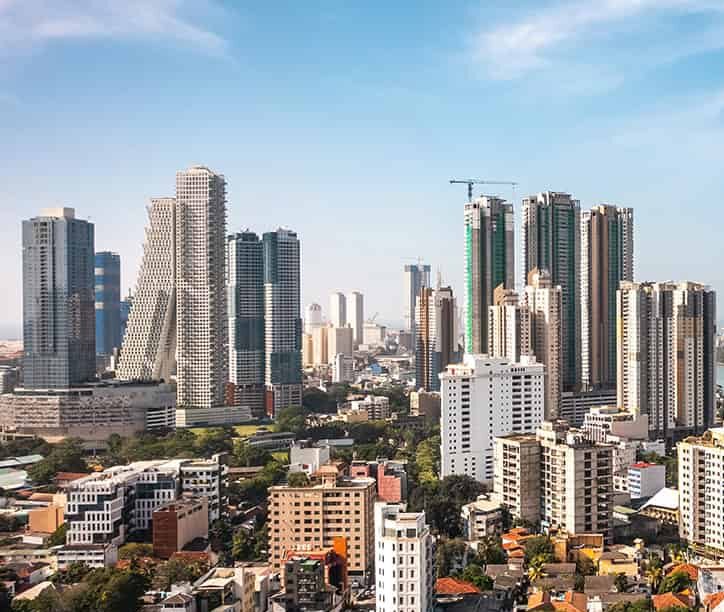
On one street you may pass a colonial-era building, a Buddhist temple or a busy neighbourhood market; a few minutes later you may be looking across a skyline of apartment towers, international hotels and modern commercial developments. Colombo has modernised rapidly, but it has not lost the traditions and everyday life that give the city its personality.
For those of us spending more than a few days here, these contrasts quickly become part of ordinary life.
Shopping, for example, can be as simple as visiting a local fruit and vegetable market, buying fresh seafood or stopping at a neighbourhood store. Pettah remains one of the most colourful examples of traditional commercial life, with streets devoted to everything from fruit and spices to textiles and household goods. At the other end of the spectrum, Colombo has contemporary shopping centres, supermarkets, boutiques and international brands. You can move quite easily between the two depending on what you need—or simply what sort of day you feel like having.
Getting around the city is also relatively straightforward without owning a car. For short journeys, a tuk-tuk is often the easiest option and quickly becomes part of daily life. App-based services such as Uber provide a convenient and affordable alternative for longer trips around Colombo. When we want to travel beyond the city, hiring an experienced driver and car for the day is commonplace and makes exploring the rest of the island comfortable and uncomplicated.
Food also captures the city’s contrasts. Traditional family-run restaurants, market stalls and neighbourhood cafés sit
alongside international hotels and contemporary dining.
Colombo’s chefs increasingly draw on regional recipes and local ingredients in inventive ways. Our separate article, A Taste of Sri Lanka, explores these traditions and the changing culinary scene in greater detail.
The city has an equally easy social side. There are hotel bars, small restaurants, cafés, clubs and relaxed contemporary venues where meeting friends for dinner or a drink does not need to become a major occasion. Galle Face perhaps captures Colombo’s contrasts particularly well: families, walkers and street-food sellers share the waterfront with historic hotels, colonial buildings and a rapidly changing modern skyline.
Religion and culture are also very visible parts of daily life. Buddhist temples, Hindu kovils, mosques and Christian churches form part of the city’s landscape. Places such as Gangaramaya Temple remain active centres of worship rather than simply historic monuments. Meanwhile, Colombo Fort retains substantial reminders of the colonial period, including the Old Parliament Building, which opened in 1930 and today houses the Presidential Secretariat.
Neighbourhoods have their own personalities as well. Fort has its commercial and colonial heritage; Pettah is busy and intensely local; Cinnamon Gardens offers leafy streets, embassies and older homes; while the coastal areas increasingly combine apartment living, hotels, restaurants and views across the Indian Ocean.
This is perhaps what makes Colombo particularly interesting as somewhere to spend part of the year.
You do not have to choose between local life and international comfort.
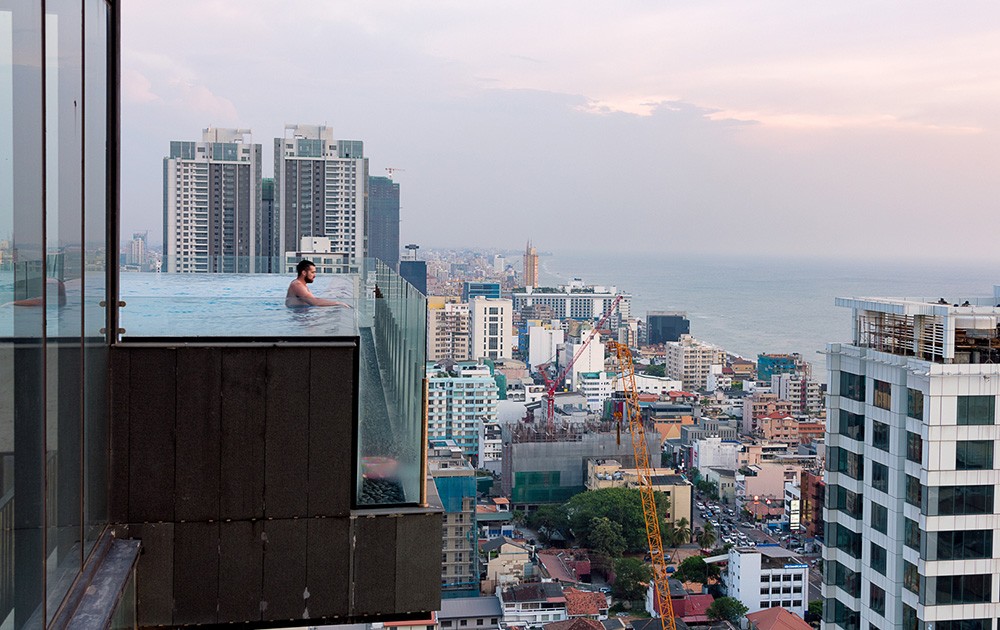
You can visit a market in the morning and a modern shopping centre in the afternoon. You can eat an egg hopper for breakfast, rice and curry for lunch and dine in a sophisticated restaurant that evening. You can spend time in a centuries-old cultural setting and then return to a contemporary apartment with a pool, gym and city views
After a while, those contrasts stop feeling unusual.
They simply become part of daily life in Colombo….
Daily
L
iving in
C
olombo — Beyond the
H
oliday
Discover the everyday conveniences that make spending several months in Sri Lanka feel comfortable, manageable and rewarding.
It is easy to imagine the appealing parts of spending time in Sri Lanka: warm weather, beautiful beaches, restaurants, travel and a comfortable apartment. But what about everyday life? Groceries, laundry, cleaning, shopping and those ordinary Tuesday evenings when you simply want dinner delivered. For anyone considering spending part of the year in Colombo, these practical details matter. Fortunately, the city offers a well-developed network of everyday services, many of which are comparatively affordable.

Home cleaning – Regular domestic assistance

Laundry – Collection and delivery

Groceries – Supermarkets and online orders

Food delivery – Local and international cuisine

Transport – Tuk-tuks and ride-hailing

Communication – English widely used in Colombo

Culture – Understanding local customs

Alcohol – A taste of Sri Lanka
It is easy to imagine the appealing parts of spending time in Sri Lanka: warm weather, beautiful beaches, restaurants, travel and a comfortable apartment. But what about the everyday things that make a place feel like home?
From keeping your apartment clean and doing the weekly shopping to finding fresh seafood, ordering dinner or arranging laundry, everyday life in Colombo is surprisingly straightforward.
Domestic assistance is widely available, and having a cleaner visit two or three times a week is often sufficient for apartment living. As an indicative guide, regular cleaning for two or three hours, three times weekly, might cost around LKR 30,000–60,000 per month, depending on the arrangement and duties. Additional services can include laundry, ironing, grocery shopping and even some meal preparation. For someone dividing their time between two countries, having a reliable person who knows the apartment can also make preparing for each return much easier.
Shopping and household essentials are equally convenient. Colombo has an established network of supermarkets, including Keells, Cargills Food City, Glomark and Arpico, offering everything from fresh fruit and vegetables to meat, seafood, dairy products, toiletries and household supplies. Grocery delivery is also widely available, allowing you to order directly to your apartment. Laundry and dry-cleaning services offer another useful convenience, with collection and delivery options available throughout much of the city.
Of course, not everything will be exactly as it is at home. Some imported products can be more expensive or harder to find, and you may not always discover the same variety of familiar brands. Over time, however, you will find local alternatives and develop your own favourite places to shop.
One of the real pleasures of living in Sri Lanka is the abundance of fresh local produce. Seasonal tropical fruits and vegetables provide plenty of variety, while the island’s seafood selection is particularly rewarding. Yellowfin tuna, seer fish, trevally, prawns, crab and cuttlefish are among the commonly available choices. You may find yourself cooking more with fresh seafood and chicken, discovering local fish varieties and enjoying ingredients that might be less familiar at home.
And when you simply don’t feel like cooking, Colombo has a thriving restaurant and food-delivery scene. Uber Eats and PickMe Food provide access to everything from traditional rice and curry and hoppers to international cuisine, cafés and fine dining. Having a favourite restaurant deliver dinner to your apartment can quickly become part of your everyday routine.
There are also a few local customs worth understanding. Poya Day, observed on each full moon, is an important public holiday in Sri Lanka. Banks, government offices and some businesses may close or operate differently, while the sale of alcohol and meat is restricted. It is therefore worth planning your shopping and entertaining around these dates. Before long, checking the Poya calendar simply becomes another part of everyday life.
Sri Lanka also offers opportunities to discover local food and drink. Imported wines, spirits and beers are available through licensed outlets, hotels and restaurants, although import duties can make some products more expensive than at home. Local alternatives are well worth exploring. Sri Lankan arrack, traditionally distilled from coconut flower sap, is a distinctive local speciality, while locally produced beers offer another taste of the island.
A
City
that gradually feels like
Home
Living in Colombo may require a few small adjustments.
You might discover new favourite foods, learn where to buy the freshest fish, arrange a regular cleaner or remember to shop before Poya Day.
But these are simply the routines that come with living somewhere new.
With accessible domestic assistance, convenient supermarkets, laundry services, restaurant delivery and reliable transport options such as tuk-tuks and Uber, much of everyday life can be managed comfortably.
Gradually, you develop your own Colombo routine.
You know where to buy your fruit, which restaurant delivers your favourite meal and who looks after your apartment.
You stop asking, “How would I live here?”
You simply start living here.
And perhaps that is when a second country begins to feel a little more like a second home.
H
ave a
Q
uestion
We’d love to hear from you. Whether you’re exploring property opportunities, considering a move to Sri Lanka, or simply looking for more information, we’re here to help.