

A Taste of
Sri Lanka
— Tradition Meets a New Culinary Culture
Where centuries-old food traditions meet a vibrant new culinary culture.
One of the great pleasures of spending time in Sri Lanka is discovering its food. This is an island where eating is woven into daily life, where recipes are passed through generations, and where an extraordinary range of fresh produce, spices and cultural influences comes together on the table.
Sri Lankan cuisine reflects centuries of exchange between Sinhalese, Tamil, Muslim, Malay and Burgher communities, alongside influences from Indian, Arab, Portuguese, Dutch and British traditions. The result is a distinctive food culture that can move effortlessly from fragrant rice and curry to delicate hoppers, fresh seafood, coconut sambols, rich desserts and wonderfully varied street food.
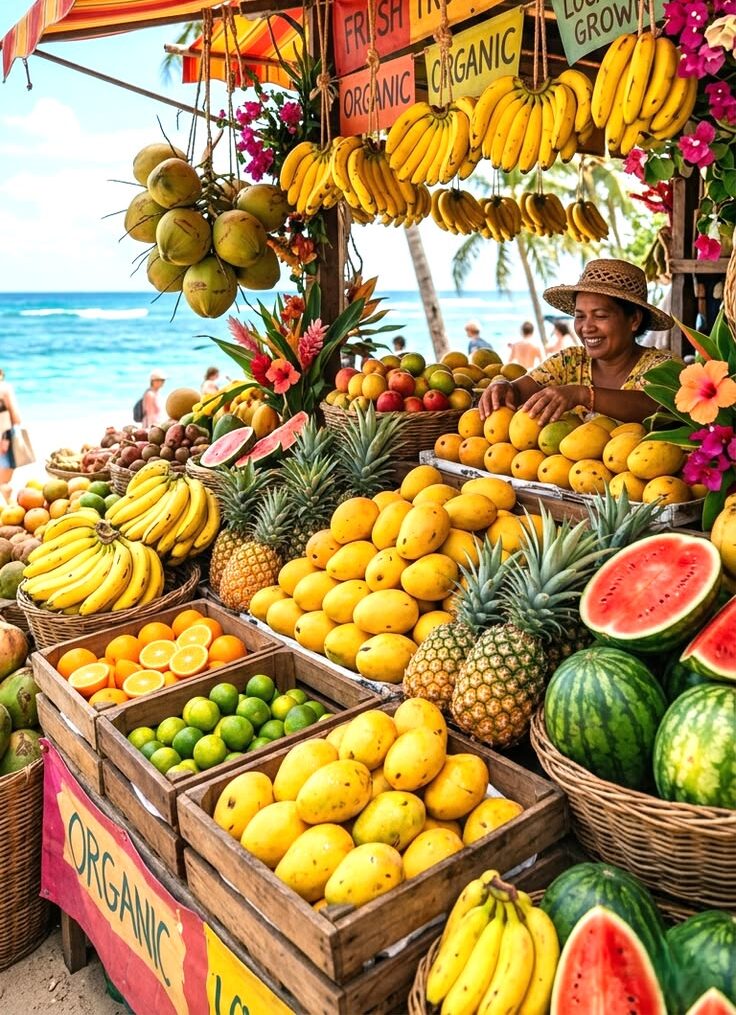
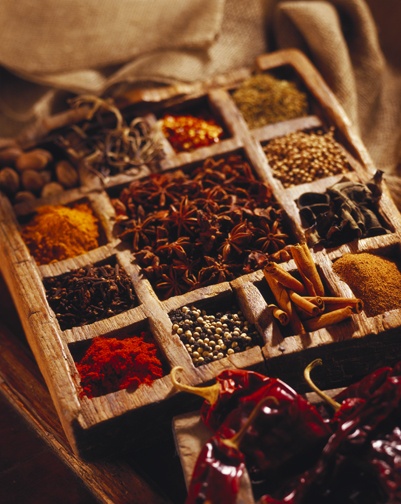
The ingredients themselves are part of the attraction. Fresh fish and prawns arrive from coastal waters, tropical fruit follows the seasons, and local markets overflow with vegetables, herbs and spices. Coconut, cinnamon, cardamom, curry leaves, pandan and chilli give Sri Lankan cooking its unmistakable character.
But Sri Lanka’s culinary story is not confined to tradition.
A new generation of chefs and restaurateurs is bringing fresh imagination to familiar recipes. Across Colombo and the southern coast, contemporary restaurants sit alongside family-run eateries, bustling markets and roadside stalls. Traditional ingredients are being reinterpreted through modern techniques, elegant presentation and increasingly sophisticated dining experiences.
For those of us accustomed to Melbourne’s café and restaurant culture, there is much to appreciate. Excellent coffee, artisan bakeries, international restaurants, inventive local cuisine and relaxed neighbourhood cafés are becoming part of Colombo’s everyday lifestyle.
And there is something particularly enjoyable about the contrast. Breakfast might be an egg hopper with dhal and sambol, lunch a traditional rice and curry, and dinner a contemporary interpretation of Sri Lankan seafood in a stylish restaurant.
Food becomes more than something to enjoy on holiday. It becomes part of the rhythm of living here.
You discover a favourite market, learn which fruits are in season, find a neighbourhood restaurant that remembers you and begin experimenting with unfamiliar ingredients in your own kitchen.
Sri Lanka offers a cuisine that is both comforting and adventurous—deeply rooted in tradition, yet increasingly confident in its modern identity.
For anyone considering a second life on the island, discovering its food may become one of the most enjoyable parts of feeling at home.

H
ave a
Q
uestion
We’d love to hear from you. Whether you’re exploring property opportunities, considering a move to Sri Lanka, or simply looking for more information, we’re here to help.